Why Foggy Windows Mean The Glass Seal Failed
Foggy Windows Are Usually A Sign The Glass Seal Has Already Failed
Many homeowners first notice the problem as a light haze forming inside the glass. Over time, though, the window may begin looking permanently cloudy, streaked, or moisture-filled no matter how often the glass is cleaned.
In most cases, foggy windows are not caused by dirt or indoor humidity alone. They are usually a sign that the insulated glass seal inside the window has failed.
Throughout Central Indiana, aging windows regularly develop seal failures due to changing temperatures, long-term sun exposure, moisture, and normal wear over time. Once the insulated seal breaks down, the window gradually loses both visibility and energy efficiency.
At Central Indiana Window & Door, we regularly inspect homes throughout Indianapolis, Carmel, Fishers, Westfield, Noblesville, and surrounding communities where homeowners are dealing with cloudy or moisture-filled replacement windows.
In many situations, foggy glass is one of the clearest signs the window system itself is beginning to fail.
What an insulated glass seal actually does
Modern windows are typically built using insulated glass units, often called IGUs.
Instead of using a single piece of glass, these systems use two or sometimes three panes sealed together with insulating space between them.
That sealed space is designed to:
-
- Reduce heat transfer
- Improve energy efficiency
- Limit condensation buildup
- Help block outside temperatures
- Improve indoor comfort year-round
Many modern insulated windows also include gases like argon between the panes along with advanced Low-E glass coatings that further improve efficiency.
As long as the seal remains intact, the system performs properly. Once the seal fails, though, moisture and outside air begin entering the space between the panes.
Fogging between the glass means moisture is trapped inside
One of the biggest signs of seal failure is condensation or haze forming between the panes themselves.
This trapped moisture cannot usually be cleaned from either side because it is inside the insulated unit.
Homeowners often notice:
-
- A cloudy appearance that will not wipe away
- Moisture trapped between panes
- Visible streaking or mineral buildup
- Windows looking worse during temperature changes
In some windows, the fogging may come and go at first before becoming permanent over time.
Once the seal breaks down, the insulating gas slowly escapes and outside moisture begins entering the glass cavity repeatedly.
Seal failure becomes more common as windows age
Most insulated glass seals do not fail immediately. The process usually develops gradually over many years.
Temperature swings throughout Central Indiana place constant stress on window materials.
Over time:
-
- Glass expands and contracts
- Seal materials slowly deteriorate
- Sun exposure weakens components
- Moisture exposure increases wear
- Frame movement can stress the glass unit
Homes with older builder-grade windows or windows exposed to strong direct sunlight often experience seal failures earlier than expected.
Many homeowners dealing with fogged windows also begin noticing drafts, condensation, or rising energy bills around the same time.
Foggy windows often lose energy efficiency long before homeowners realize it
Many people think foggy windows are mainly a cosmetic issue. In reality, seal failure often reduces the insulating performance of the window substantially.
Once the seal fails:
-
- Argon gas escapes from the insulated unit
- Outside air enters between panes
- The glass becomes less efficient
- Heat transfer increases
- Interior comfort declines
Homeowners throughout Brownsburg, Lebanon, Danville, and Indianapolis often notice:
-
- Cold areas near windows during winter
- More HVAC usage
- Temperature fluctuations between rooms
- Higher utility bills over time
In many homes, fogged windows are part of a larger problem involving aging or poorly performing window systems overall.
Older window frames may contribute to seal failure
Sometimes the insulated glass itself is not the only issue.
Aging window frames can also place additional stress on the glass unit.
Common contributing problems include:
-
- Warped or shifting frames
- Poor insulation around the opening
- Water intrusion near the sash
- Drafts and air leakage
- Improper original installation
As older windows move and flex over time, the seal around the insulated glass can gradually weaken and eventually fail.
This is especially common in older double-hung windows and aging builder-grade systems exposed to years of seasonal movement.
Foggy windows are common in many different window styles
Seal failure can affect almost any insulated window style.
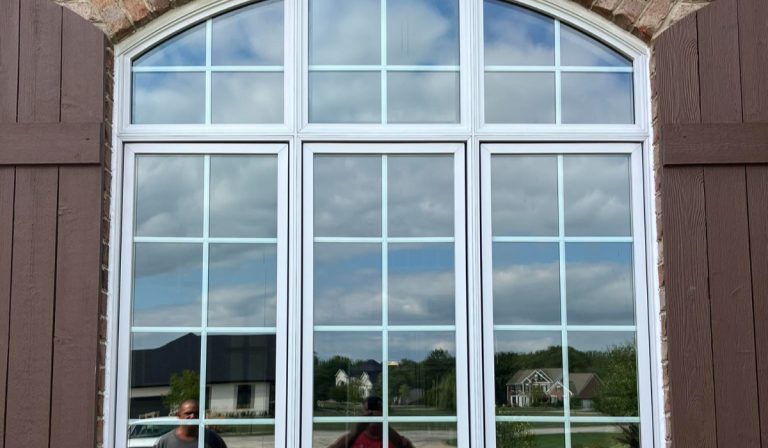
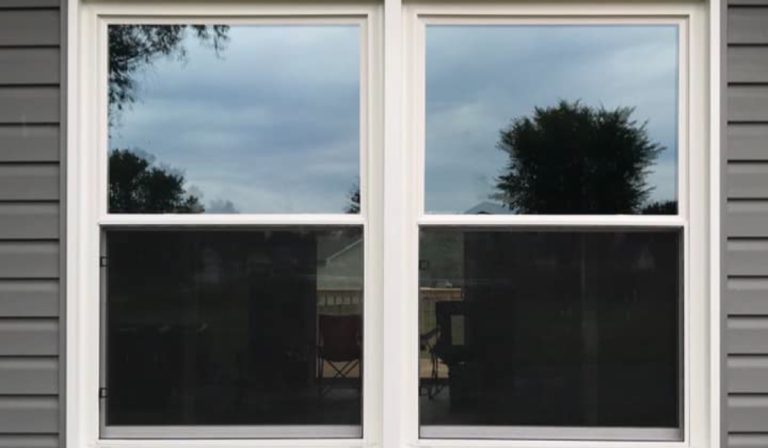
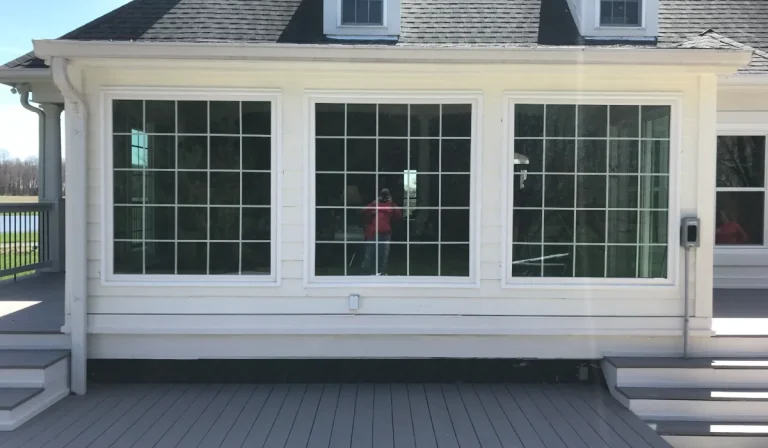
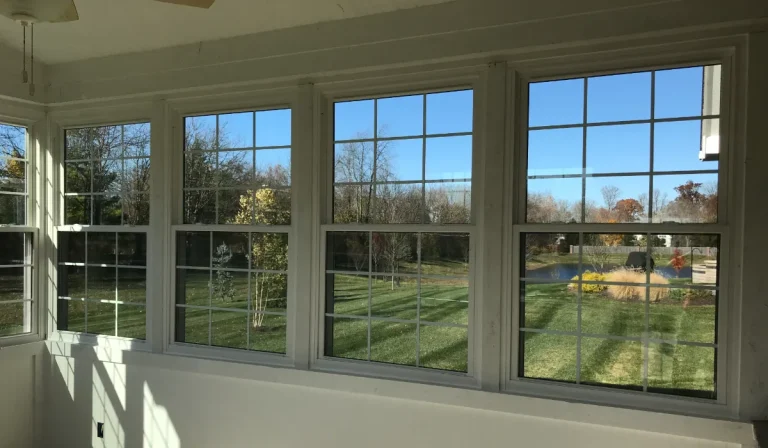
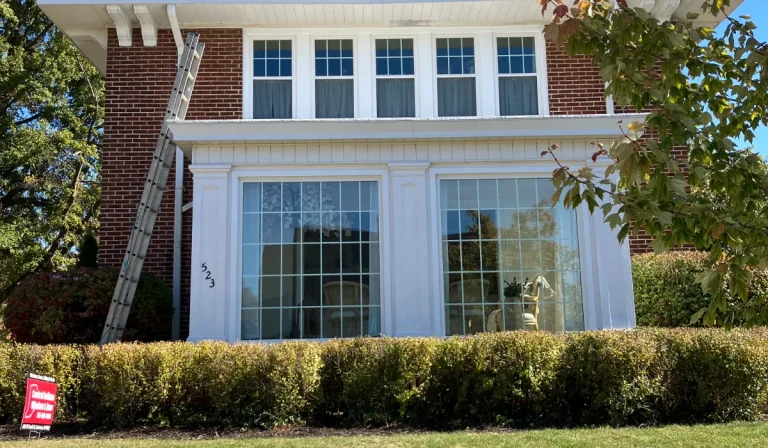
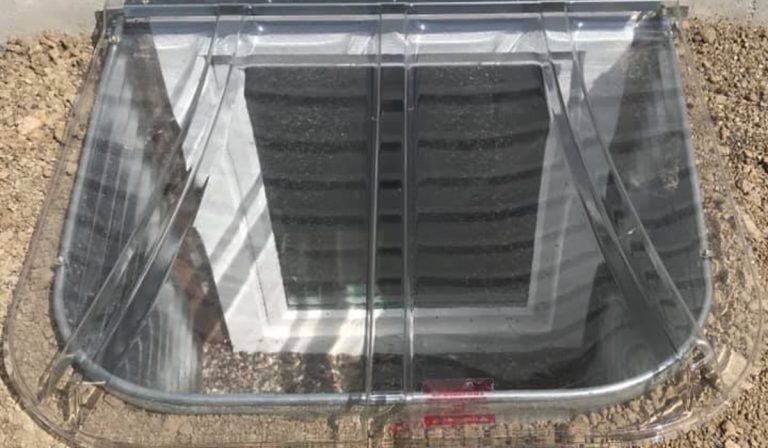
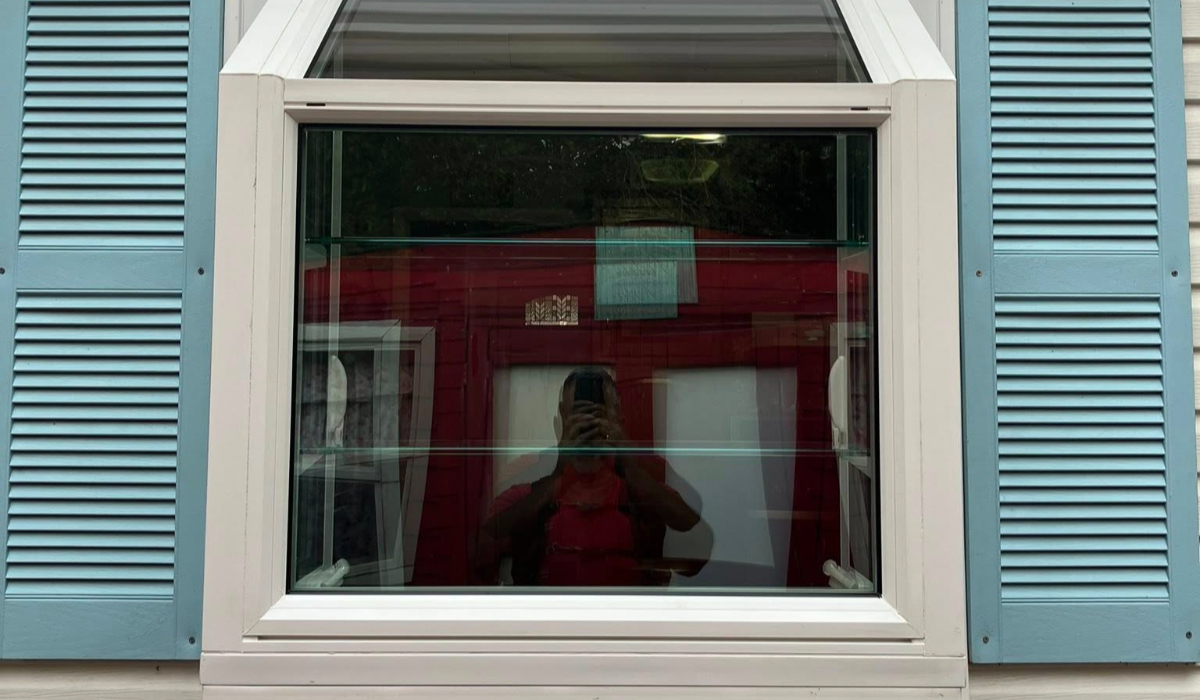
At Central Indiana Window & Door, we regularly see fogged:
Larger windows with significant sun exposure often develop noticeable fogging first because thermal expansion repeatedly stresses the seals over time.
Condensation on the inside of the glass is different from seal failure
Not all moisture on windows automatically means the seal has failed.
There is a major difference between:
-
- Condensation forming on the room side of the glass
- Condensation trapped between the panes
Interior condensation is usually related to humidity inside the home. This can happen temporarily during winter, especially in bathrooms, kitchens, or poorly ventilated areas.
Moisture trapped between panes, though, almost always indicates insulated glass seal failure.
Homeowners experiencing persistent condensation around older windows may also notice related problems like black mold around windows, peeling trim, or recurring moisture issues.
DIY defogging solutions rarely solve the real problem
Many homeowners search online for temporary foggy window fixes.
Some companies advertise defogging services that attempt to remove moisture from inside the glass unit. While appearance may improve temporarily, these solutions usually do not restore the original insulating performance of the window.
DIY fixes often include:
-
- Drilling holes into the glass unit
- Using anti-fog chemicals
- Applying aftermarket films
- Trying to vent the glass cavity
These approaches rarely restore the original seal integrity or energy efficiency of the insulated unit.
In many cases, replacement becomes the more reliable long-term solution.
Replacing the glass versus replacing the entire window
Some homeowners wonder whether they can replace only the glass instead of the entire window.
In certain situations, insulated glass replacement may still be possible if:
-
- The frame remains structurally sound
- The window still operates properly
- The surrounding seals are in good condition
- The style and sizing are still supported
However, many fogged windows are already part of an aging system with additional problems involving:
-
- Drafts and air leakage
- Frame deterioration
- Operational issues
- Outdated efficiency ratings
- Water intrusion around the opening
In those situations, full window replacement often provides the better long-term investment.
Modern replacement windows are far more efficient than older systems
Today’s replacement windows are significantly more energy efficient than many older insulated units installed 15 to 25 years ago.
Modern windows often include:
-
- Advanced Low-E coatings
- Argon gas insulation
- Improved spacer systems
- Multi-chambered frame designs
- Better weatherstripping and sealing
These improvements help reduce:
-
- Drafts
- Heat transfer
- Outside noise
- Condensation buildup
- Energy loss throughout the year
Homeowners often pair new window installations with upgrades like patio doors, entry doors, storm doors, or vinyl siding as part of larger exterior upgrades.
Professional installation plays a major role in long-term performance
Even high-quality windows can develop premature problems if installed incorrectly.
Professional installation helps reduce:
-
- Frame stress and movement
- Air leakage
- Water intrusion
- Insulation gaps
- Long-term operational issues
At Central Indiana Window & Door, windows are carefully measured, insulated, flashed, and sealed to help maximize long-term durability and efficiency.
Many homeowners also visit the showroom to compare glass packages, frame styles, grille patterns, and hardware options before beginning their project.
Why homeowners throughout Central Indiana choose Central Indiana Window & Door
Foggy windows are often one of the clearest signs an aging window system is no longer performing properly.
At Central Indiana Window & Door, we help homeowners evaluate fogged windows, failed insulated glass, and aging window systems while recommending practical long-term replacement solutions.
-
- Professional window replacement installation
- Energy-efficient glass packages
- Multiple window style options available
- Experienced local installation team
- Showroom available for product comparisons
- Additional services including siding, roofing, patio doors, and entry doors
Serving homeowners throughout Central Indiana
Central Indiana Window & Door installs replacement windows throughout Central Indiana, including:
We regularly help homeowners throughout Boone County, Hamilton County, Hendricks County, Marion County, and surrounding areas replace fogged windows, failed insulated glass, and aging window systems.
Schedule a window evaluation or estimate
If your windows are fogging between the panes, looking cloudy, or showing signs of seal failure, now may be the right time for a professional evaluation.
Seal failure rarely improves on its own, and many fogged windows are already losing significant insulating performance.
Contact Central Indiana Window & Door today to schedule a window evaluation or request an estimate.